Optimizing a webpage for SEO involves more than just filling it with keywords; the structure of the content, particularly through headings, plays a crucial role in guiding both users and search engines. Headings, along with the main body text and images, are key components in post-click on-page optimization..
Headings aren’t just for show—they provide a clear outline of what your webpage is about. Think of them as the backbone of your content, similar to how you’d structure a document in Microsoft Word. The main heading, your H1 tag, should highlight the primary topic of the page. Subsequent headings, like H2s and H3s, break down the content into digestible sections, creating a logical flow that helps both readers and search engines navigate the page.
Traditionally, it was advised to use only one H1 tag per page. This practice ensured that search engines understood the primary focus of the page, with H2 and H3 tags used to organize the supporting content. This structured approach not only makes your content easier to follow but also helps search engines grasp the importance of each section.
With HTML5, using multiple H1 tags within different sections of the same page became technically acceptable and even SEO-friendly. However, this method requires careful implementation to avoid confusing both users and search engines. Despite this flexibility, many experts still recommend sticking with the traditional hierarchy—one H1 tag followed by H2s, H3s, and so on. This approach is reliable, widely accepted, and still considered a best practice in SEO.
Headings are more than just structural elements—they’re integral to the user experience. Most visitors will quickly scan the headings on a page to decide if the content meets their needs. This makes headings a vital part of your on-page SEO strategy, as they help improve the relevance of your page in the eyes of both users and search engines.
You have six heading tags at your disposal (H1 through H6), each serving to define the hierarchy of your content:
Sub-headings (H3-H6): While less frequently used, these tags help further organize content, especially on more complex or content-rich pages.
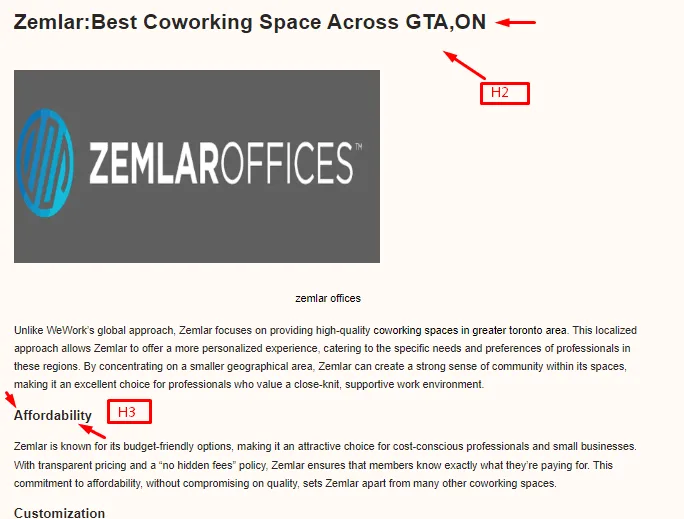
Creating effective headings requires a balance between user readability and SEO. Your headings should be clear and meaningful, providing a roadmap for the reader. It’s also important to incorporate relevant keywords into your headings, but this should be done naturally. Keyword stuffing can make headings awkward and less effective, detracting from both user experience and SEO performance.
A well-structured heading hierarchy not only enhances the readability of your content but also boosts its SEO potential. By adhering to best practices in heading usage, you can create a webpage that’s easy to navigate, engaging for users, and optimized for search engines—ultimately leading to better engagement and improved search rankings.

Hi! I'm Leo. Ask a question or tell me what you're working on, and I'll help you figure out the best next step.
