Optimizing images is a vital yet often underestimated part of on-page SEO that can greatly enhance your website’s performance. Properly optimized images not only boost the relevance of your content but also improve accessibility for users with visual impairments and provide extra opportunities to include keywords that search engines can pick up on.
1. Add Descriptive Alt Text
Alt text serves a dual purpose: it helps visually impaired users understand your images and provides search engines with context about the image. When writing alt text, accurately describe the image and, where relevant, include keywords. Keep it short and to the point, ideally between two to five words.
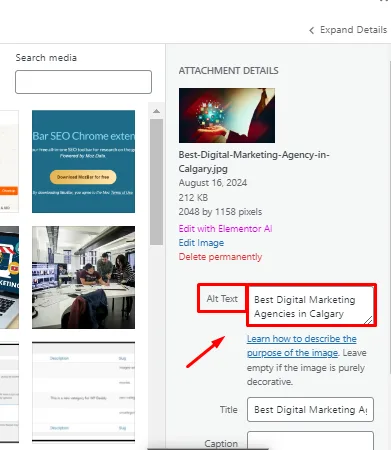
2. Use Descriptive Filenames
Before uploading images, give them descriptive filenames that reflect their content. These filenames should be concise yet meaningful, and while they can include keywords, the main focus should be on accurately describing the image. For instance, for an image on snowboard sizing, a filename like digital-agency.jpg and alt text like digital agency would be effective.

By implementing these strategies, you can fully leverage the SEO benefits of optimized images, making your web pages more relevant, accessible, and search engine-friendly.

Hi! I'm Leo. Ask a question or tell me what you're working on, and I'll help you figure out the best next step.
