On-Page SEO : The Essential Guide to Optimizing Your Website of Success

On-Page SEO

On-Page SEO is the process of optimizing individual web pages to boost their search engine visibility and attract targeted traffic. It focuses on elements you control directly, such as content and HTML code, ensuring that your pages are both user-friendly and search engine-friendly.

Key Aspects of On-Page SEO:

  • Keyword Research: Find relevant keywords through keyword research and naturally integrate them into titles, headings, and content..
  • Content Quality: Produce original, well-structured content that meets user needs without keyword stuffing.
  • Title Tags & Meta Descriptions: Use primary keywords in concise, engaging meta titles and compelling meta descriptions.
  • Headings:Organize content with a clear heading structure that emphasizes key topics.
  • URL Structure: Create clean, descriptive URLs that include keywords.
  • Internal Linking: Link to related pages within your site to improve navigation and SEO.
  • Image Optimization: Use descriptive file names, alt text, and image optimization techniques such as compression for faster loading
  • Mobile-Friendliness: Ensure your site is responsive for a seamless experience on all devices.
  • Page Load Speed: Optimize for fast loading through efficient coding and caching.

On-Page SEO is essential for making your content both valuable to users and easy for search engines to understand, leading to higher rankings and better visibility.

Why is On-Page SEO Important?

In 2024, Search Engine Optimization (SEO) is more vital than ever, and on-page SEO is your website’s ultimate guide to navigating the digital landscape. It’s not just about inserting keywords but about enhancing every aspect of your page to improve user experience and search engine performance.
Here’s why SEO is critical this year:

  • User Experience: An intuitive layout and clear navigation keep visitors engaged and satisfied.
  • Bounce Rate and Dwell Time: Quality content and fast-loading pages encourage users to stay longer, reducing bounce rates.
  • Search Intent: Aligning your content with what users are searching for ensures relevancy and boosts your rankings.
  • Page Loading Speed: A quick-loading page prevents frustration and retains visitors.
  • Click-Through Rate: Effective meta descriptions and compelling titles attract more clicks from search results.
  • Mobile and Desktop Compatibility: With a variety of devices in use, ensuring your site performs well everywhere is essential.

In short, on-page SEO isn’t just a technical necessity; it’s your strategy for making sure both search engines and human readers say, “This is exactly what I’m looking for!”
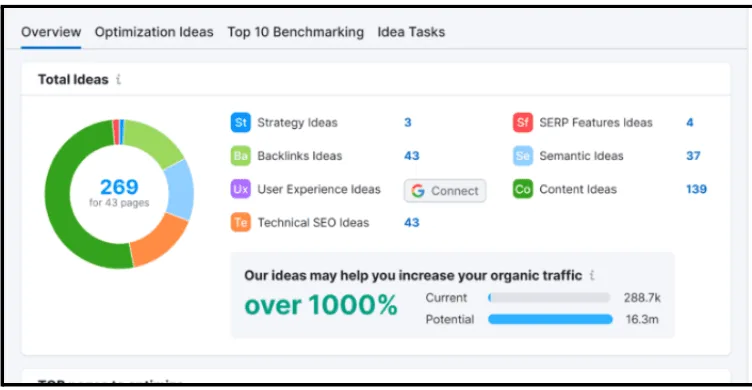
How to do On-Page SEO

On-page SEO has come a long way from its earlier, simpler days of just adjusting keyword density. Nowadays, it’s a more nuanced process that requires careful attention to detail. To stay on top, follow these key steps:
  1. Analyze Your Content: Tools like Semrush’s On-Page SEO Checker offer valuable insights to help you fine-tune your content.
  2. Optimize Key Elements: Focus on improving titles, meta descriptions, headers, and the overall relevance of your content.
  3. Enhance User Experience: Make sure your site loads quickly and works well on both mobile and desktop devices.

By using the right tools and strategies, you can make on-page SEO more manageable and effectively target your keywords.
Potens Support Desk
We're here to help!
Potens

Hi! I'm Leo. Ask a question or tell me what you're working on, and I'll help you figure out the best next step.

Can I get a quote for my project?
Which service is right for my business?
Type your query
Leo is typing...